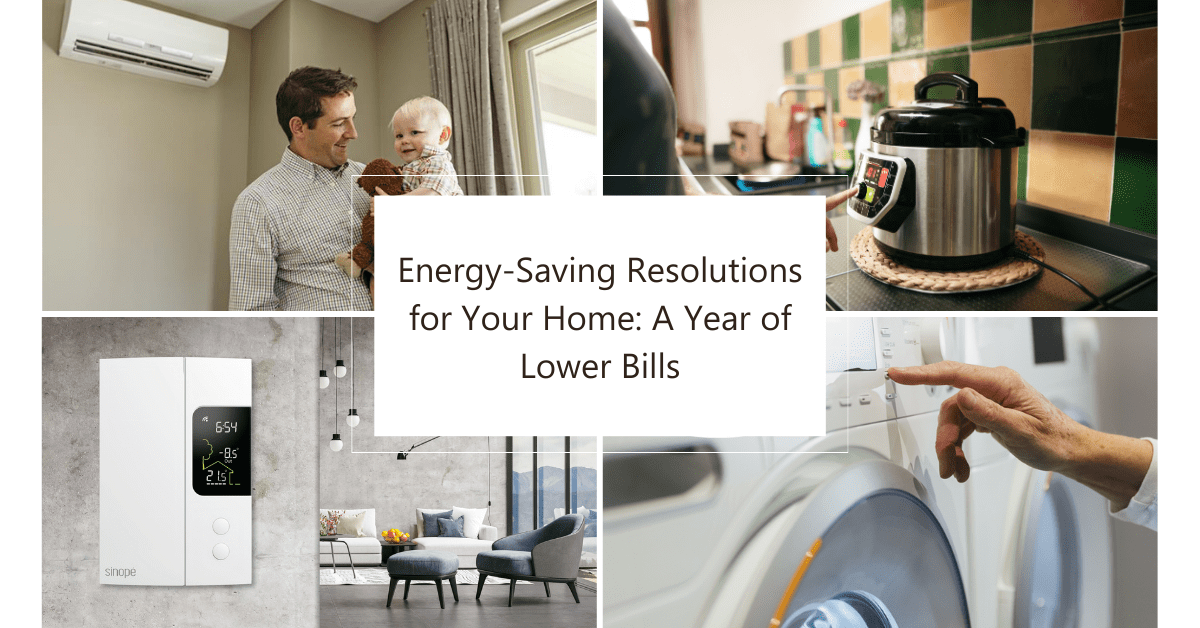
January is the perfect time to set resolutions for new habits. But if we’re honest, some are harder to keep than others – especially if it takes a while to see results. New diet and exercise plans may fade in a month or two, but making a commitment to saving energy in your home will pay off all year long.
When you commit to saving energy, you invest in your home and comfort. You lower your monthly bills and contribute to a cleaner, more sustainable future for our region. Whether you own a home or rent, small changes can lead to significant savings.
Let’s look at five practical resolutions to help you cut costs and stay comfortable all year long.
1. Find and fix the drafts to keep the heat inside
Winter in the PNW can be chilly. If you are cranking up the thermostat but still feel cold air moving through your rooms, your home might be losing energy through drafts. Common trouble spots include gaps around windows, doors, and attic hatches.
Try these quick fixes:
- Place draft stoppers under doors to block cold air.
- Add removable weatherstripping around doors and windows with gaps.
- Use reusable adhesive shrink film on windows during winter for extra insulation.
These solutions are easy to apply and remove, making them great for anyone. Plus, this work will help in the summer to keep cool air inside.
For older homes, you might need to upgrade your insulation. Proper insulation can significantly reduce your heating costs. Check out our HomeWise Weatherization Program to see if you are eligible to receive free energy-efficiency improvements.
2. Upgrade your thermostat
Heating is usually the biggest energy expense for homes in our area. A smart thermostat can take the guesswork out of controlling your temperature. These devices learn your schedule and adjust automatically so you are not heating an empty house.
By optimizing your heating schedule, you can save roughly 10% on heating and cooling costs each year. We offer a $50 instant rebate on smart thermostats for electric baseboard heaters and fan-forced wall heaters. This upgrade lets you manage your heat from anywhere.
3. Adjust your laundry routine
You can make laundry day more energy-efficient with a few minor tweaks:
- Air-dry your clothes on a drying rack or line instead of always using the dryer. Air-drying also helps your clothes last longer.
- Clean the dryer’s lint trap before each use to improve efficiency.
- Wash full loads to make the most of the energy used.
Also, try washing your clothes with cold water. You do not need hot water to get your clothes clean, and heating water requires a lot of energy. By switching your washing machine to the cold setting, you eliminate that energy cost entirely.
This resolution is easy to keep because it requires zero effort after you press the button. Plus, cold water is gentler on fabrics, which helps your clothes last longer!
4. Save energy with hot water adjustments
Heating water uses a lot of energy, but small changes can cut down your usage:
- Set your water heater to 120°F. This is warm enough for daily needs and saves energy.
- Take shorter showers to reduce hot water use.
- Wash your clothes in cold water to save energy and protect your garments.
These simple changes are easy to make and save you money over time. However, you might want to go a step further.
If your water heater is more than 10 years old, it might be time for an upgrade. Your water heater is one of the hardest-working appliances in your home. It uses a lot of energy to keep hot water ready for showers, laundry, and dishes.
Modern heat pump water heaters are very efficient. They can cut your water heating costs by 50% or more. We offer rebates to help lower the cost of a new, energy-efficient model, which is a smart investment that will pay off for years to come.
5. Manage your phantom energy by unplugging electronics
Devices like game consoles, chargers, and televisions draw power while they are plugged in. This is often called “phantom energy” or “standby power.” Prevent this waste by:
- Unplugging chargers, gaming consoles, and other devices when you’re not using them.
- Using a power strip and switching it off when items aren’t needed.
- Avoiding standby mode for electronics like TVs or speakers you rarely use.
Resolve to unplug these items when you are not using them. An easy way to do this is to use a power strip with an on/off switch. You can plug multiple devices into one strip and turn them all off with a single flip of a switch.
Start saving today!
The best time to start saving energy is right now, but you do not need to do everything at once. Pick one or two of these resolutions to start, and build from there.
When you invest in energy savings, you help your wallet and your community. City Light is here to support you with programs and incentives. Visit our Home Energy Solutions page to find a current list of discounts, rebates, and tips to help you meet your goals.