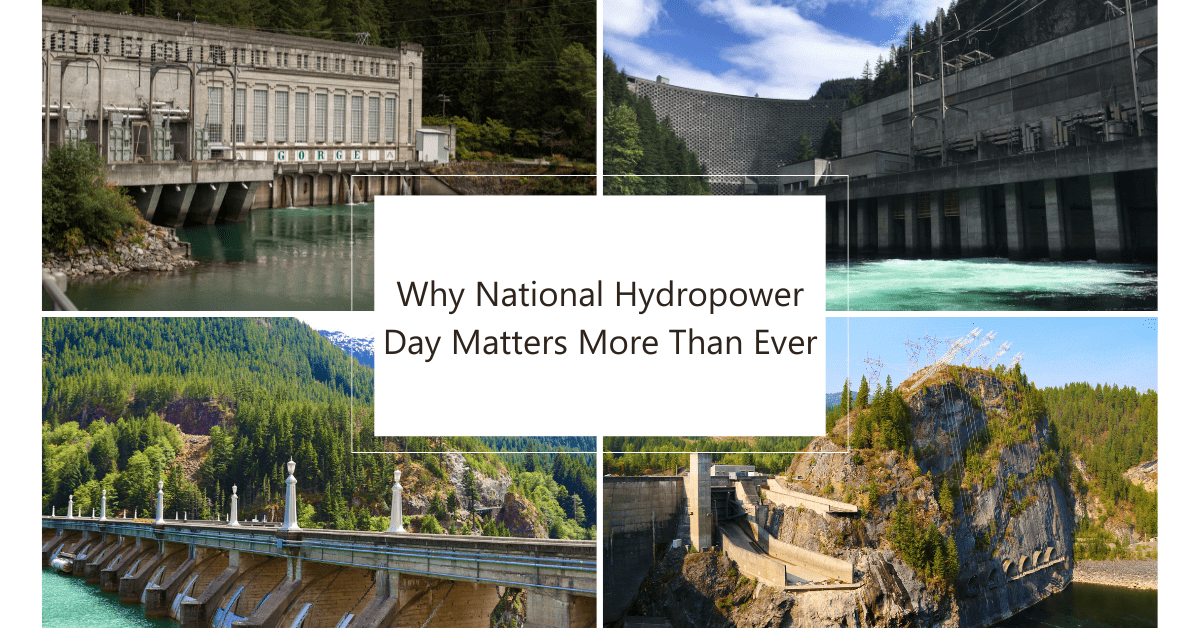
Every August 24, we celebrate National Hydropower Day. This day helps us remember one of America’s oldest renewable energy sources. Hydropower has powered communities for over 100 years. Today, it plays a bigger role than ever as we work toward a cleaner energy future.
What is hydropower?
Hydropower generates electricity by using flowing water. Water flows through dams and turns machines called turbines. This process relies on water rather than fossil fuels. That’s why hydropower is a key part of renewable energy systems across the country. In the Pacific Northwest, hydropower is a key, reliable source of power for the entire region.
Hydropower numbers you should know
Washington leads the nation in hydropower. We produce about 27% of all hydroelectric power in the United States. Hydropower supplies more than three quarters of the power our customers need:
Learn more about City Light’s Power Mix

2 This fuel represents a portion of the power purchased from Bonneville Power Administration.
Source: 2023 Washington State Department of Commerce Utility Fuel Mix
Across the nation, hydropower makes up only 5.7% of total energy. But we can do much more. Thousands of dams exist across the United States that don’t generate power. Imagine retrofitting a small percentage of those to add more renewable energy to our power supplies.
Hydropower works well with other clean energy sources
Solar panels need sunlight. Wind turbines need wind. Hydropower is flexible — it can change its output quickly to match what we need throughout the day.
This flexibility helps a lot as we add more solar and wind power into our power mix. When clouds block the sun or the wind stops blowing, hydropower can start up right away to fill the gap. Think of hydroelectric reservoirs like giant batteries. They store energy as water and release it exactly when communities need electricity.
Keeping our power grid stable
Our grid needs constant balance between energy supply and demand. Hydropower does this balancing job well. Hydropower can keep electricity flowing smoothly to homes and businesses.
During busy times — like hot summer afternoons when air conditioners work hard — hydropower can boost output in minutes. This quick response helps make sure we meet demand by providing you with the reliable electricity you depend on.
Addressing climate challenges
Hydropower has many benefits, but it faces challenges from changing weather. Less snow and rain can affect water levels in reservoirs. This impacts electricity generation during dry periods.
Advanced forecasting tools and careful water management help utilities adapt. By watching weather patterns and managing reservoir operations, we can maintain reliable service even during moderate droughts.
Protecting the environment
Modern hydropower operations focus on environmental protection alongside electricity generation. This includes working with local communities, government agencies, and tribal nations. Together, they make sure dam operations support healthy river ecosystems.
Many facilities across the region now have fish ladders, improved water flow patterns, and habitat restoration projects. These efforts show that clean energy production and environmental protection can work together.
Looking to the future
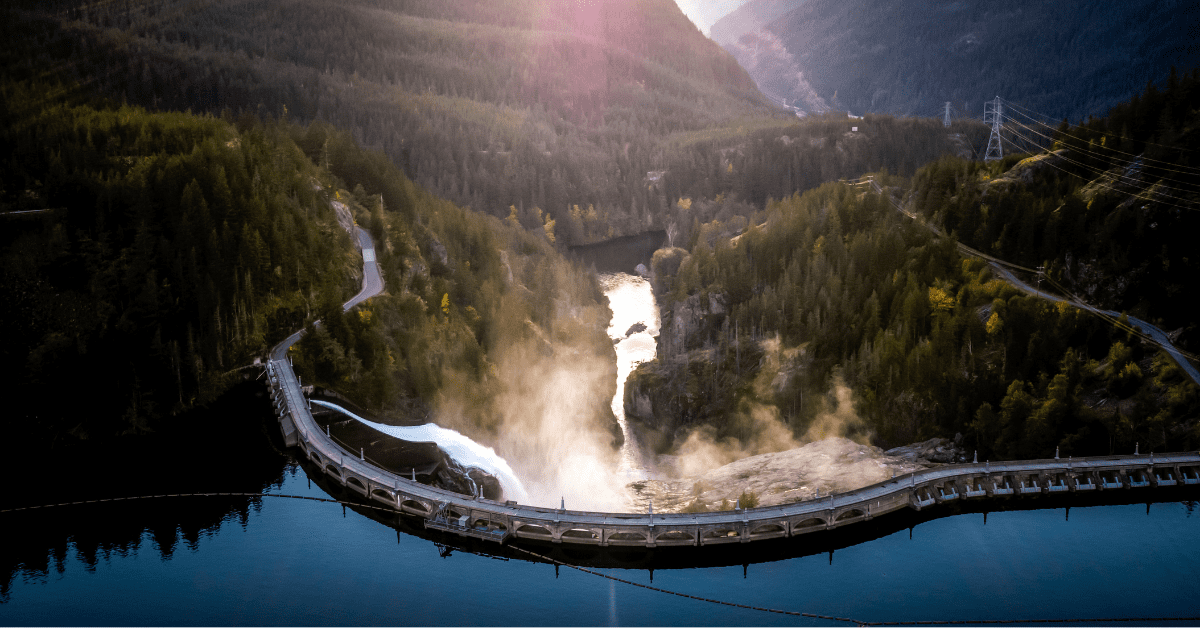
Communities across the United States are working to reduce carbon emissions and electrify transportation, heating, and other systems. This means the demand for electricity will keep growing.
Hydropower’s combination of reliability and flexibility makes it essential for meeting this challenge. The technology also offers economic benefits. It creates jobs and provides more stable, long-term electricity costs for consumers.
National Hydropower Day reminds us to appreciate previous generations who invested in this sustainable technology. Their work created the foundation for the renewable energy systems we use today.
As we face new challenges like climate change and growing electricity demand, hydropower continues to prove its value. By recognizing and supporting this renewable energy source, we honor both our past achievements and our commitment to a sustainable future.