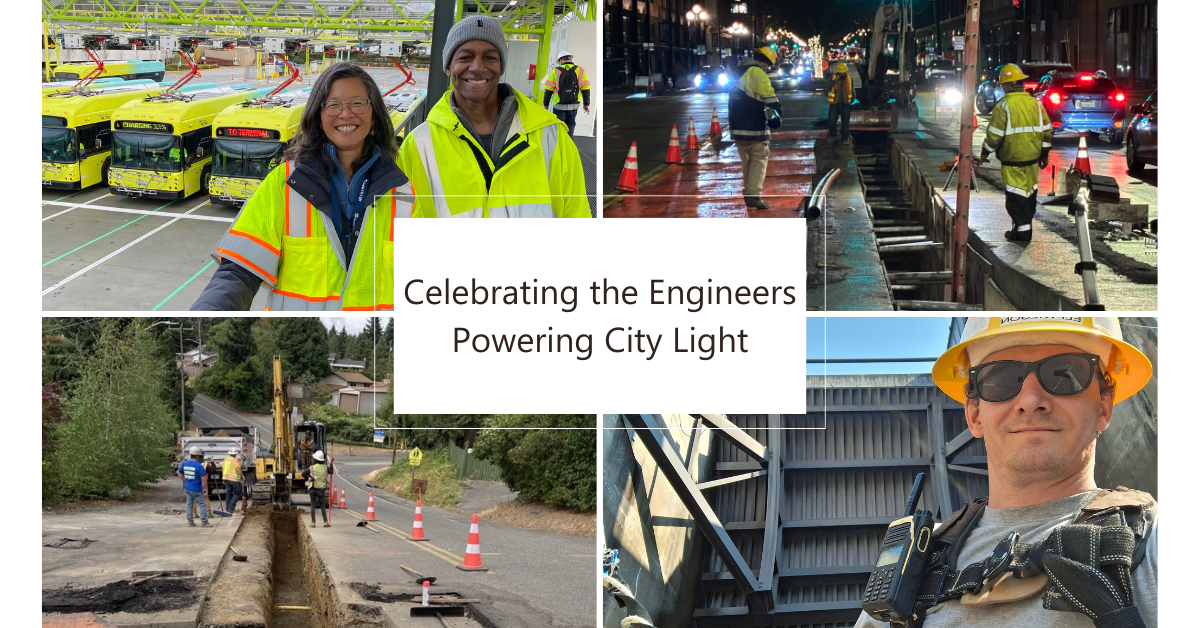
It’s Engineers Week (February 22-28), and this year’s theme, “Invent the Future,” is all about celebrating the innovative minds shaping our communities and inspiring the next generation of problem solvers.
At Seattle City Light, we’re proud to have more than 200 engineers working across a variety of disciplines, from civil and distribution planning to standards and streetlight engineering. They’re modernizing the grid to be more efficient and reliable, supporting cleaner transportation through electric vehicle infrastructure, and ensuring the safety of our systems.
This week, we’re highlighting four projects where City Light engineers tackled complex challenges with creativity and innovative problem-solving.
A safer solution for Boundary Dam walkways
At Boundary Dam, the sluice gate walkways (the concrete slabs above the steel gates controlling water flow) are essential for inspections and maintenance. But in the early 2000s, visible cracks and sagging (known as deflection) in one walkway raised safety concerns. Based on observation alone, the initial assessment called for a costly solution: demolishing and rebuilding all seven walkways, which were in a challenging, hard-to-access location overhanging the dam.
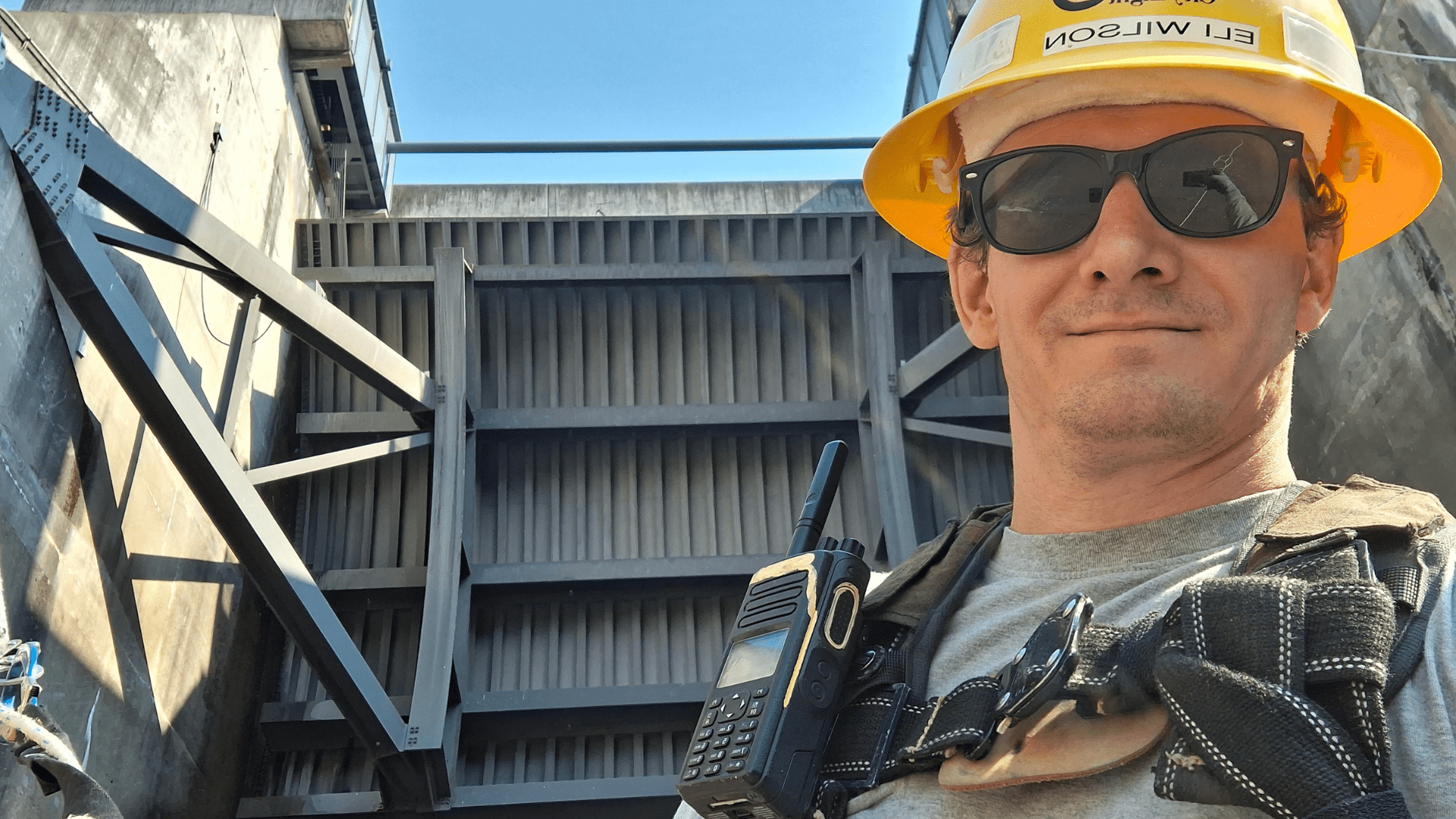
Fast-forward to 2025, when Senior Civil/Structural Engineer Eli Wilson revisited the concern with a detailed structural analysis. Using past inspection data, he remeasured deflection across each 18-foot slab and captured video footage to check for cracks, rust, and concrete damage. He combined this fieldwork with rigorous analytical calculations to determine whether the walkways were truly at risk.
Eli found that while they flex slightly under weight, this movement is consistent with their original design and didn’t indicate a structural problem.
“The slabs have shown a stable deflection history over 15 years with no measurable progression,” Eli explained. His findings revealed the slabs could support over 10,000 pounds, much more than their actual use as walkways. Visual inspections further confirmed no significant damage on any of the slabs, including the one previously thought to be compromised and temporarily covered with a wooden plank .
Thanks to Eli’s work, the costly demolition was scrapped, saving significant capital funds for higher-priority projects. Instead, he recommended applying sealant to fill cracks and prevent corrosion, posting weight limit signs, and scheduling regular inspections to maintain safety and functionality for years to come.
Powering the future of public transit
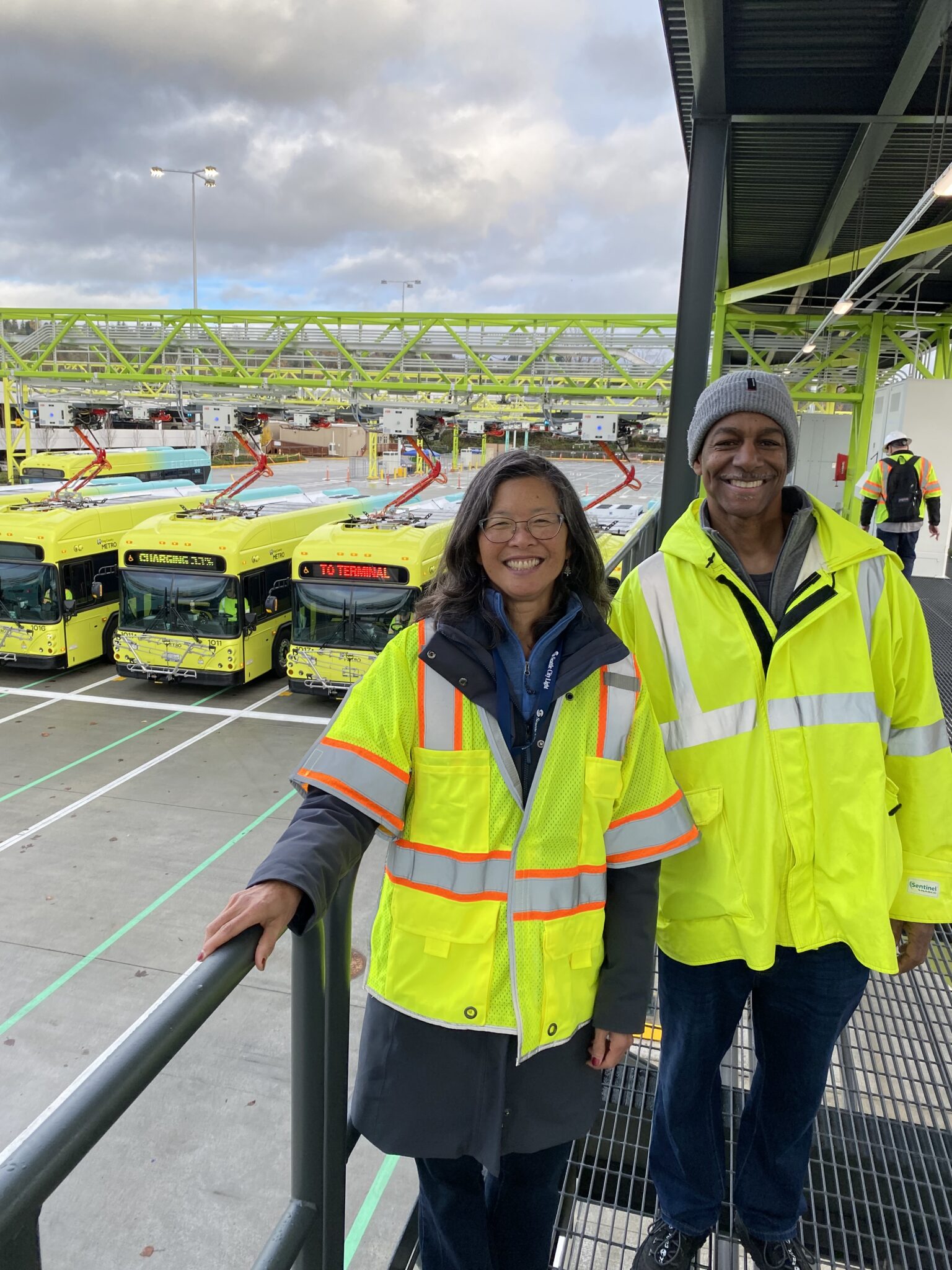
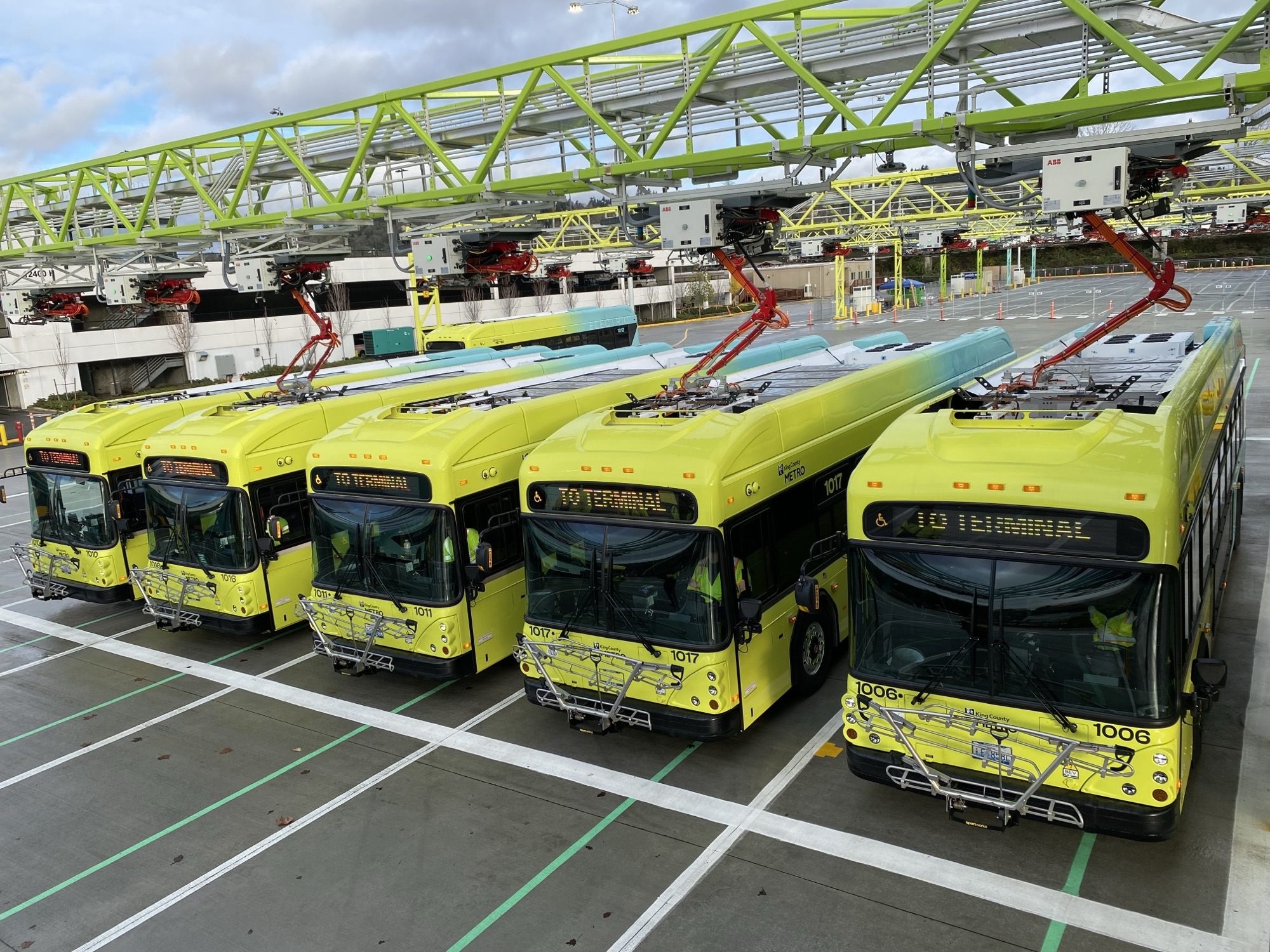
In November 2025, Seattle City Light engineers helped energize King County Metro’s Tukwila Bus Base. The 544,000-square-foot, all-electric bus base can power 120 electric buses at once, making it one of the largest electric public transit bus bases in the U.S. This milestone required innovative problem-solving to meet the 10-megawatt power demand without costly, time-consuming upgrades.
Planning began in 2017 as engineers explored ways to meet demand without overloading existing infrastructure. “Our dedicated engineers are the heroes behind this project,” said Lucie Huang, Strategic Technology Engineer. “They worked closely with King County Metro to determine available capacity, design an efficient and cost-effective distribution layout, and clear hurdles before they became an issue. Thanks to their efforts, King Country Metro stayed on schedule for this first-of-its-kind facility in our service area.”
By understanding Metro’s bus schedule and factoring in future time-of-use rates, the teams found that most of the power usage would peak at night, minimizing strain on the system during the day. This allowed them to use existing infrastructure, saving both time and money.
Engineers also approved a cost-effective solution for maintenance for Metro: installing a switch that allows the agency to schedule its own planned outages and perform maintenance without needing or paying for a City Light crew.
This collaboration builds on earlier projects with the transit agency to support fleet electrification. In fact, the foundational work on the Metro Transit South Base earned Lucie and Del Johnson, Electric Service Engineer, a Technology Transfer Award from the Electric Power Research Institute in 2022.

Upgrading the grid for FIFA World Cup
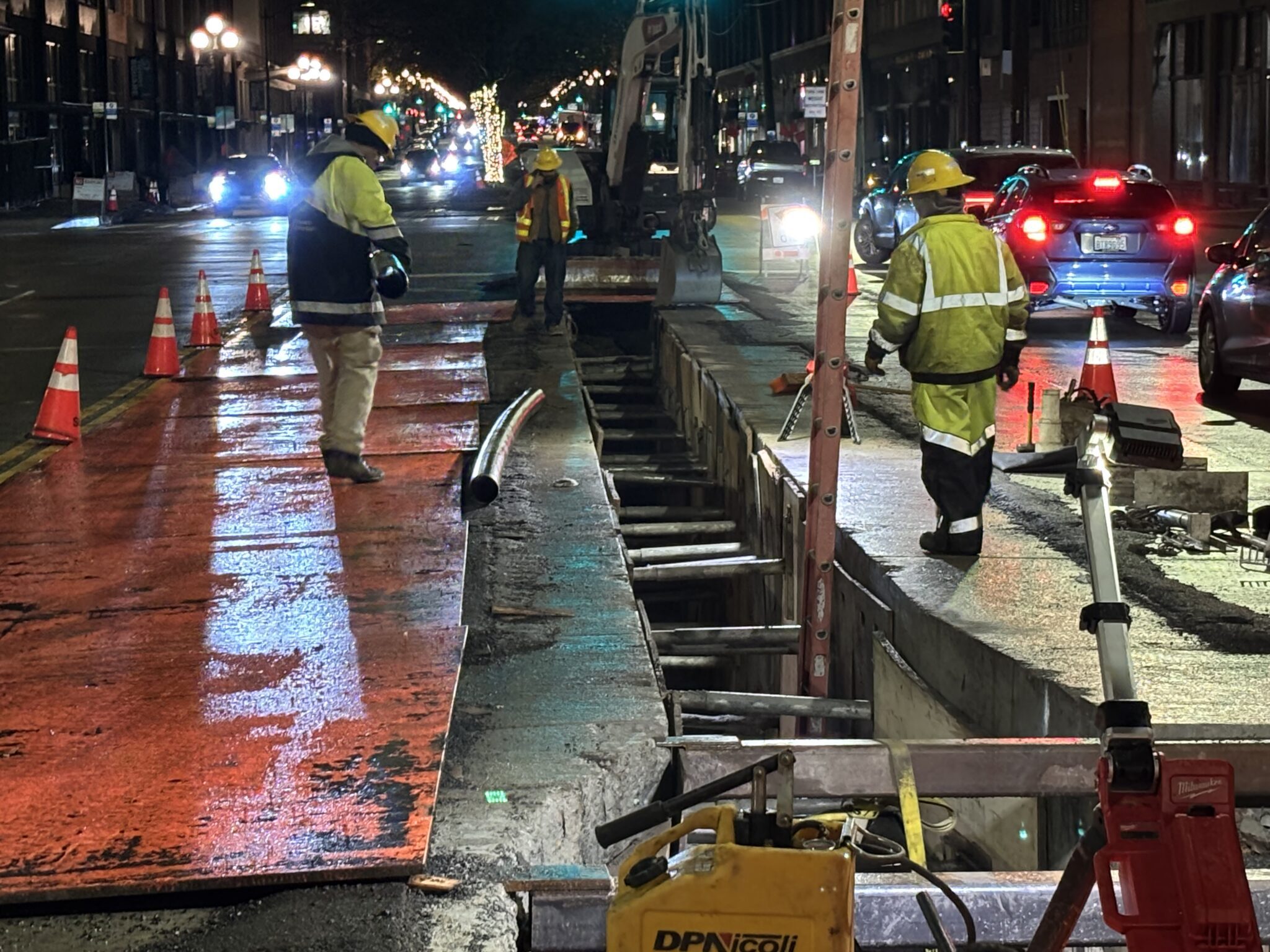
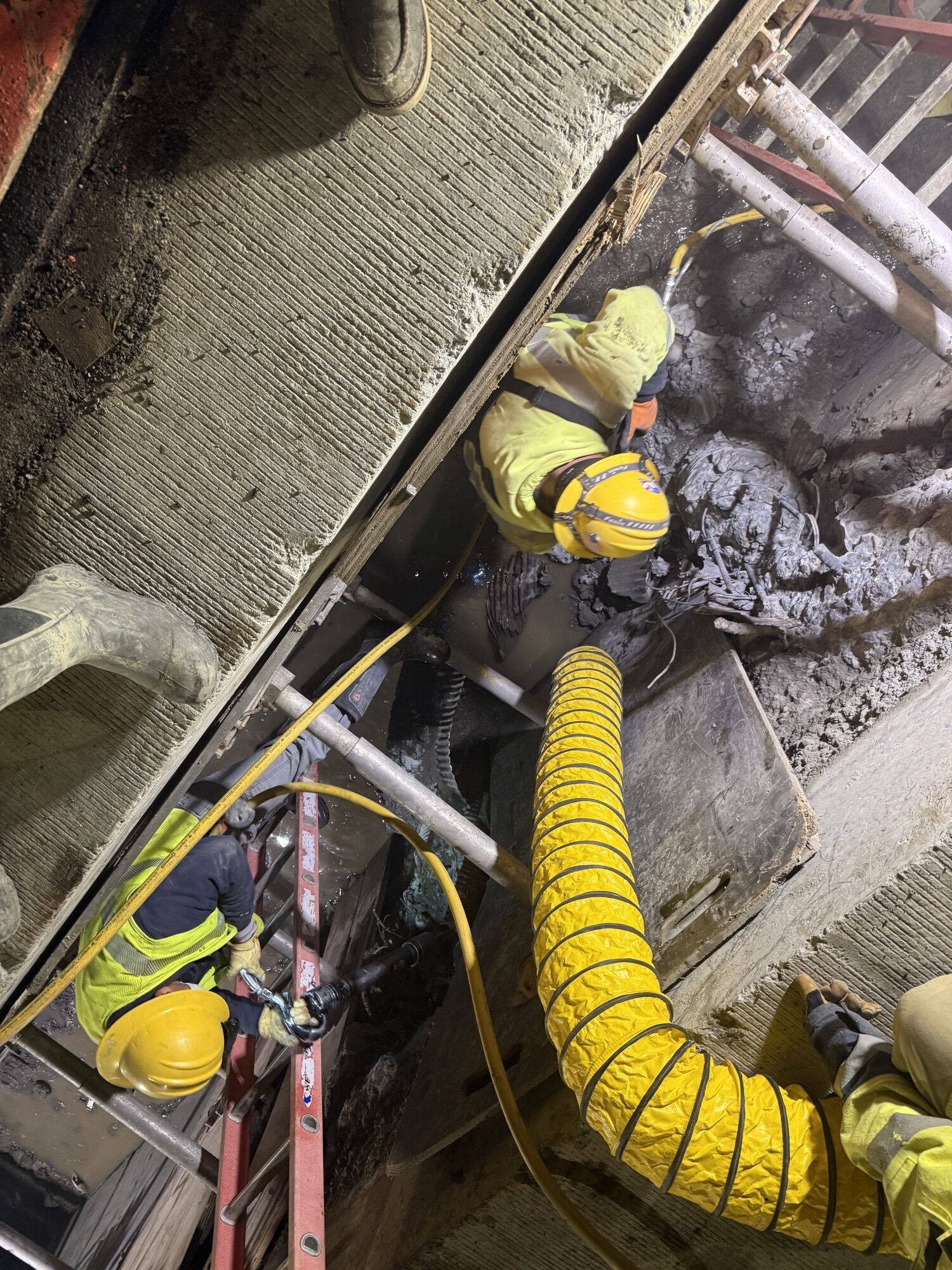
Engineers play a vital role in ensuring our energy grid meets future demands. Near Pioneer Square, we recently completed civil construction and electrical upgrades to improve reliability. These improvements will also benefit Lumen Field ahead of the FIFA World Cup 26™ this summer.
A key part of this project was reconductoring: replacing old electrical wires (conductors) with new, higher-capacity ones. These new cables can carry more electricity along existing routes, helping us meet growing energy needs without building new power lines.
This process strengthens our electrical grid’s backbone, making the system more resilient and less prone to outages, especially during periods of high demand. Reconductoring can add decades of life to our power-delivery equipment, making it a smart, long-term investment.
Electrical Power Systems Engineer Francis Sammy highlights the forward-thinking approach behind this work. “By nature, we have to think 20 to 30 years in the future and design systems to meet future energy needs,” Francis explains.
This project shows how we prepare for increased energy demands from population growth, electrification, and other factors. And our engineers help get the job done safely, efficiently, and affordably.

Boosting reliability in Burien
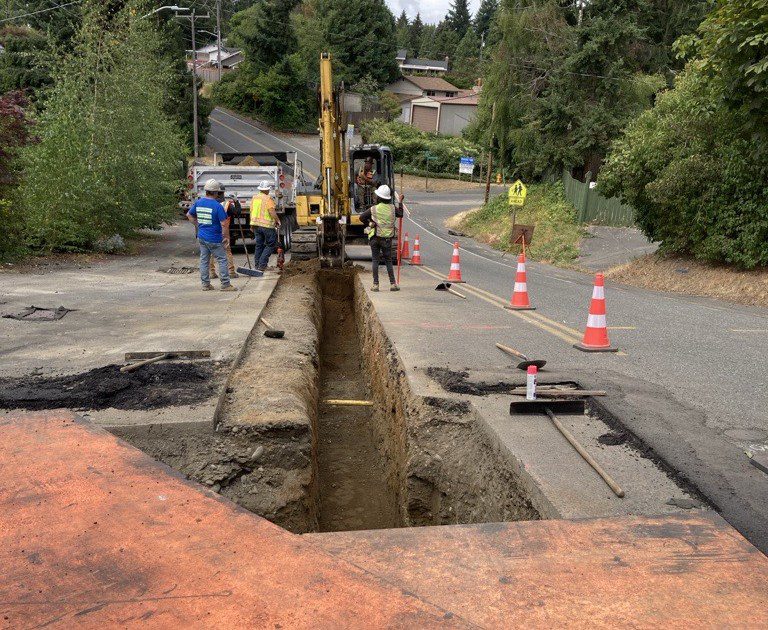
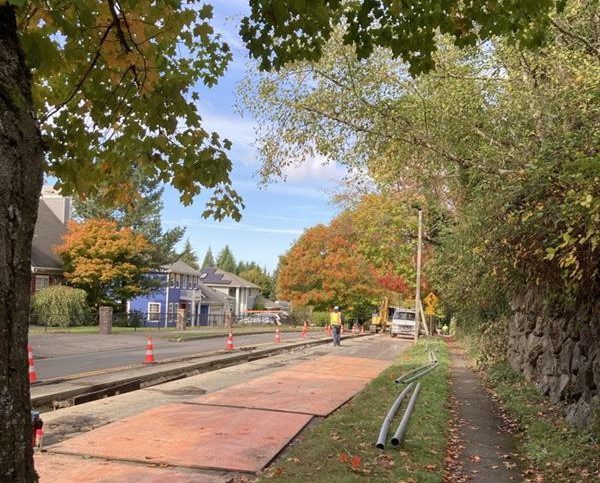
Engineering is essential to modernizing our electrical infrastructure, including replacing aging direct-buried cables with new ones housed in electrical conduit, a protective pipe or tube. In Burien’s Hurstwood neighborhood, we’re upgrading the system with more than 20,000 linear feet of new cable—the length of about 60 football fields. Once complete, this project will replace the deteriorating system, significantly reducing the risk of power outages.
During construction, crews encountered an unexpected challenge: unmarked underground utilities. Adapting the project design required quick thinking and collaboration. For Power Systems Engineer Kyle Ho, these moments are part of what make the work rewarding.
“I like the variety in my work and collaboration with crews,” Kyle shared. “We work hard every day to make efficient improvements to our system that improve reliability and reduce customer costs.”
The Hurstwood project is part of a larger, multi-year effort to replace more than 300 miles of aging underground direct-buried cable across our service area. These upgrades will enhance electrical reliability and make future maintenance faster and more cost-effective. With civil construction complete, including the installation of 27 vaults, City Light crews have begun installing new electrical cable and expect to finish the project this spring.
Thank you to our engineers!
These projects are just a few examples of how our engineers are building a more reliable, efficient, and innovative energy future. Thanks to all our engineers for your incredible work this week and every week!
If you want to make a difference, consider a career in engineering. You could one day join the City Light team and help power a brighter future for our region.
Happy Engineers Week!