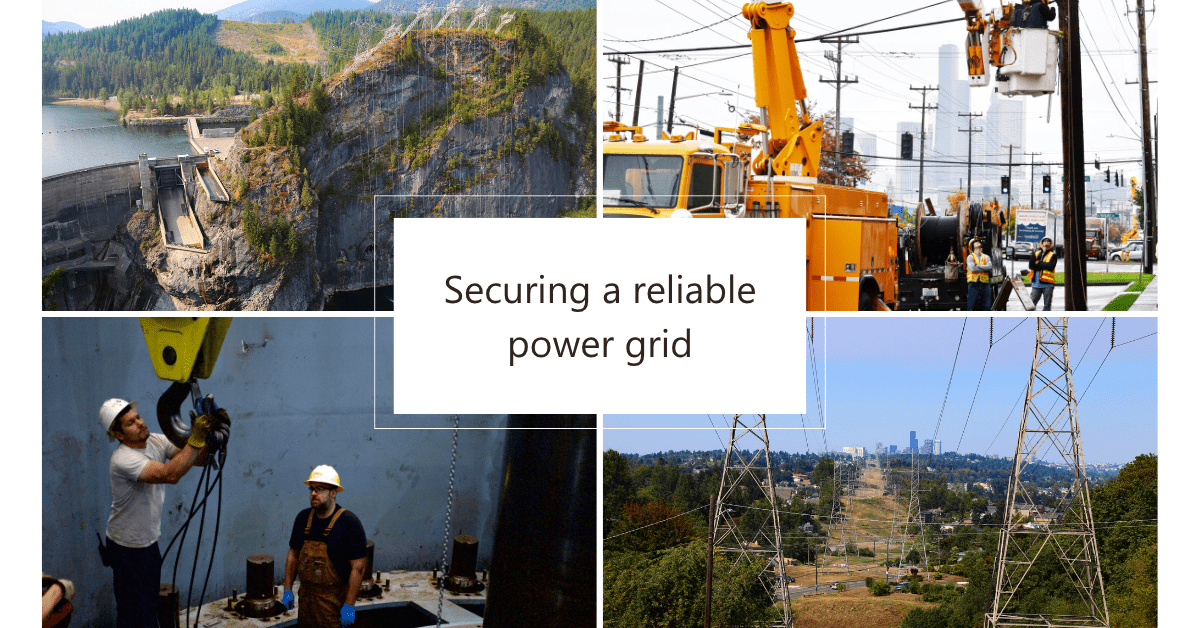
There’s a lot that goes on behind the plugs that power your life.
We work every day to improve the reliability of our electrical system. It starts at our generating facilities and continues across hundreds of miles of our overhead transmission and distribution power lines. At each step along the way, we’re working to improve reliability for the communities we serve.
Generator Upgrades Extend Their Life Up to 40 Years
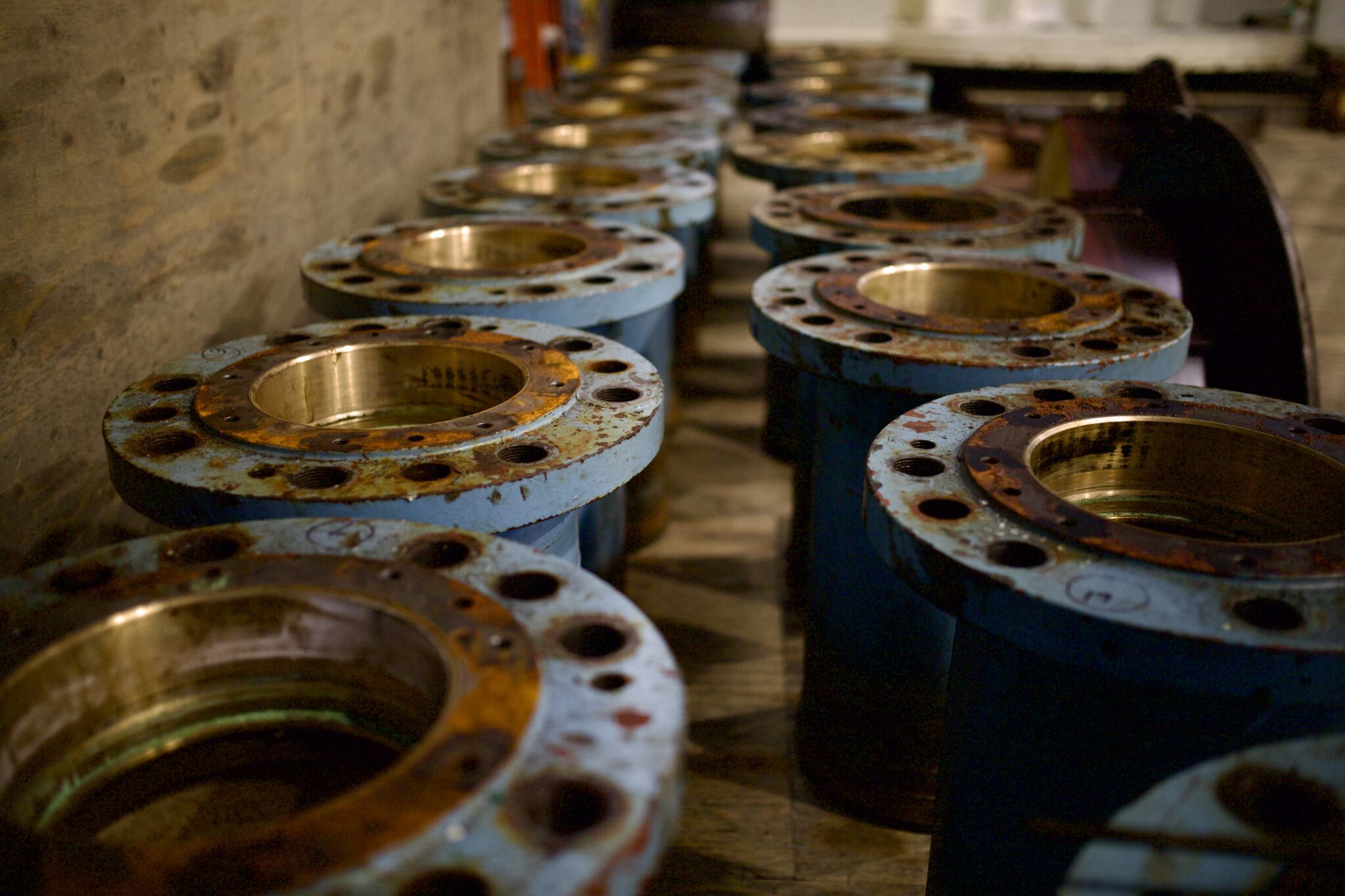
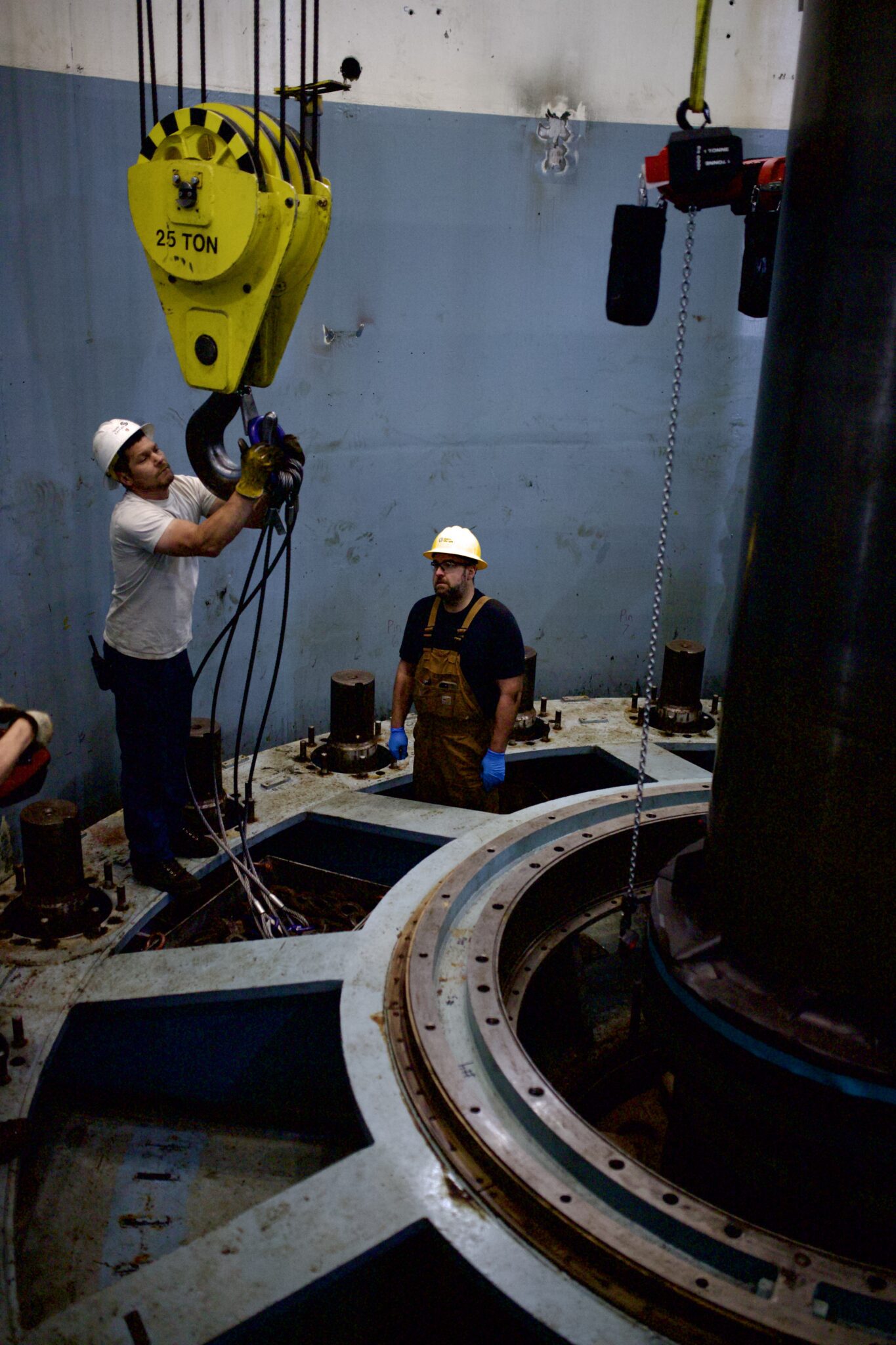
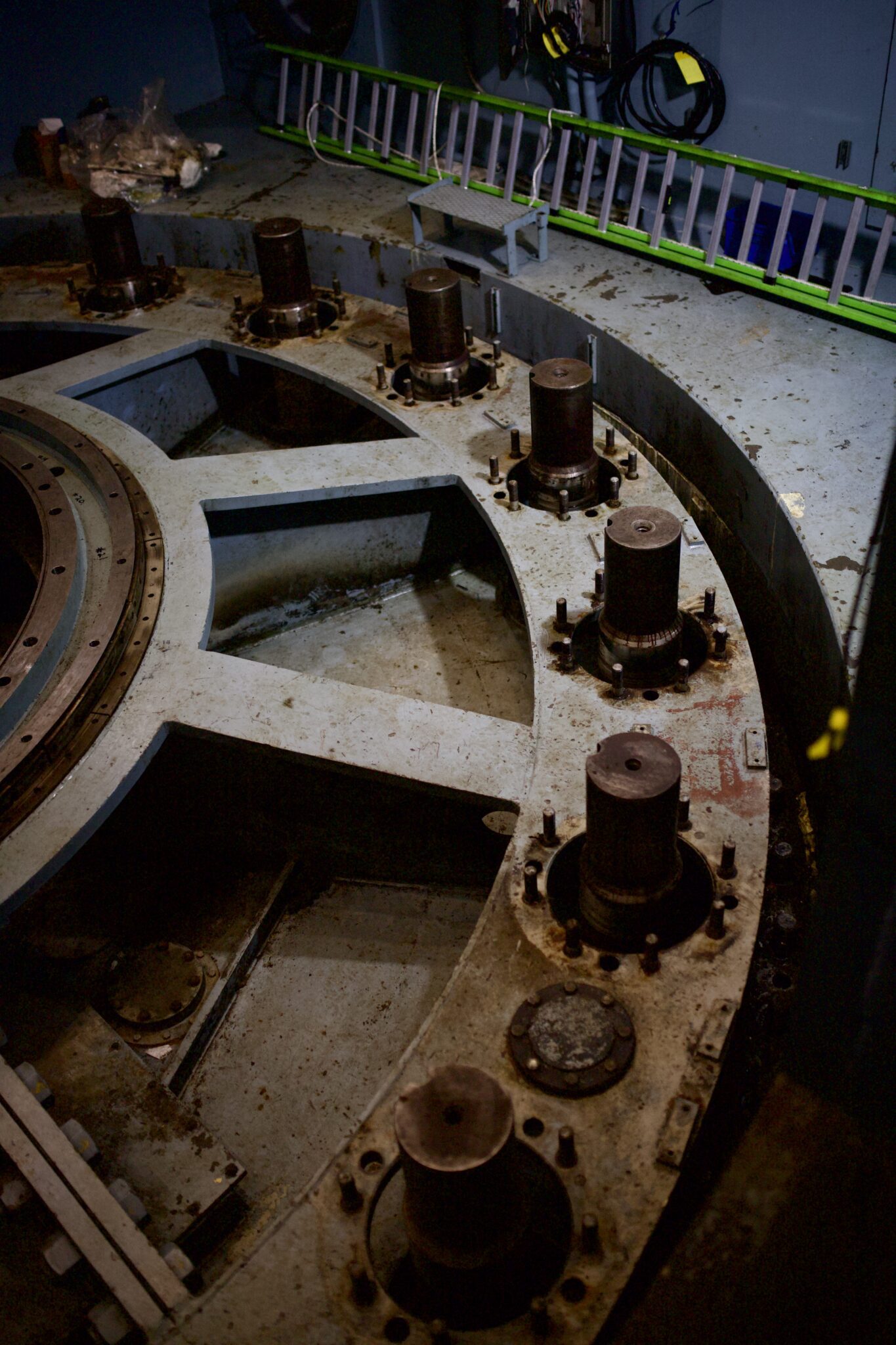
Did you know that over 80% of our energy supply comes from the natural power of Pacific Northwest rivers? Hydropower generators make this happen. Like any appliance or even your car, generators need regular maintenance to keep working efficiently.
We’re currently working on a major overhaul of three generators at Boundary Dam. All three generators are original to Boundary Dam and have been in use for nearly 60 years. For the overhaul, crews are rebuilding aging infrastructure and redesigning components for each generator. We’re also replacing the transformers that prepare the power generated by each generator for transmission.
We started the overhaul project in 2019 and expect to wrap things up next year. Once complete, the overhaul will help extend the life of the generators for nearly 40 additional years. We’ll also be able to generate up to 60 more megawatts of power than before. This is crucial to help improve reliability and meet the increasing electrical needs of our customers.
Vegetation Management Along Transmission Lines Keeps Power Flowing
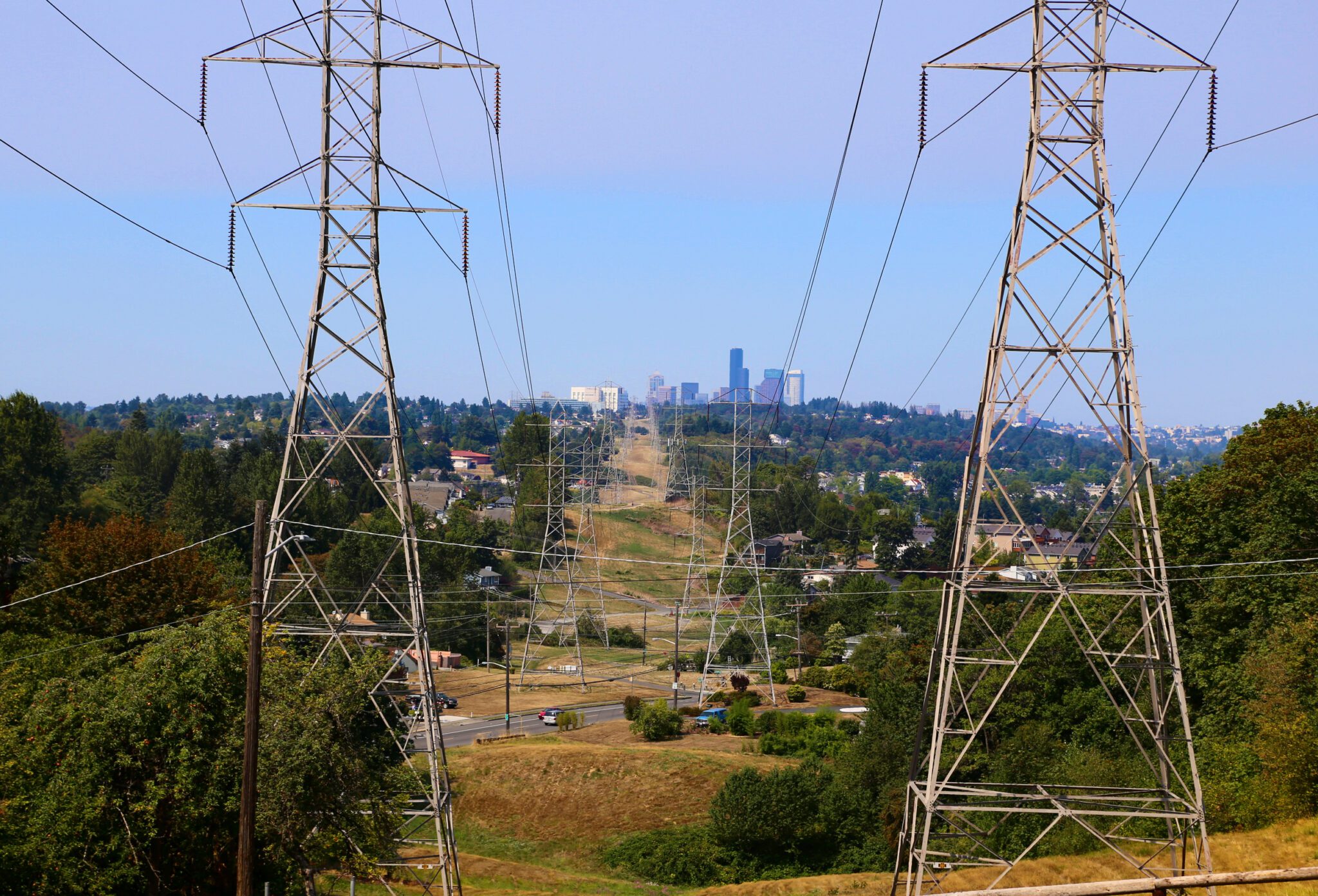
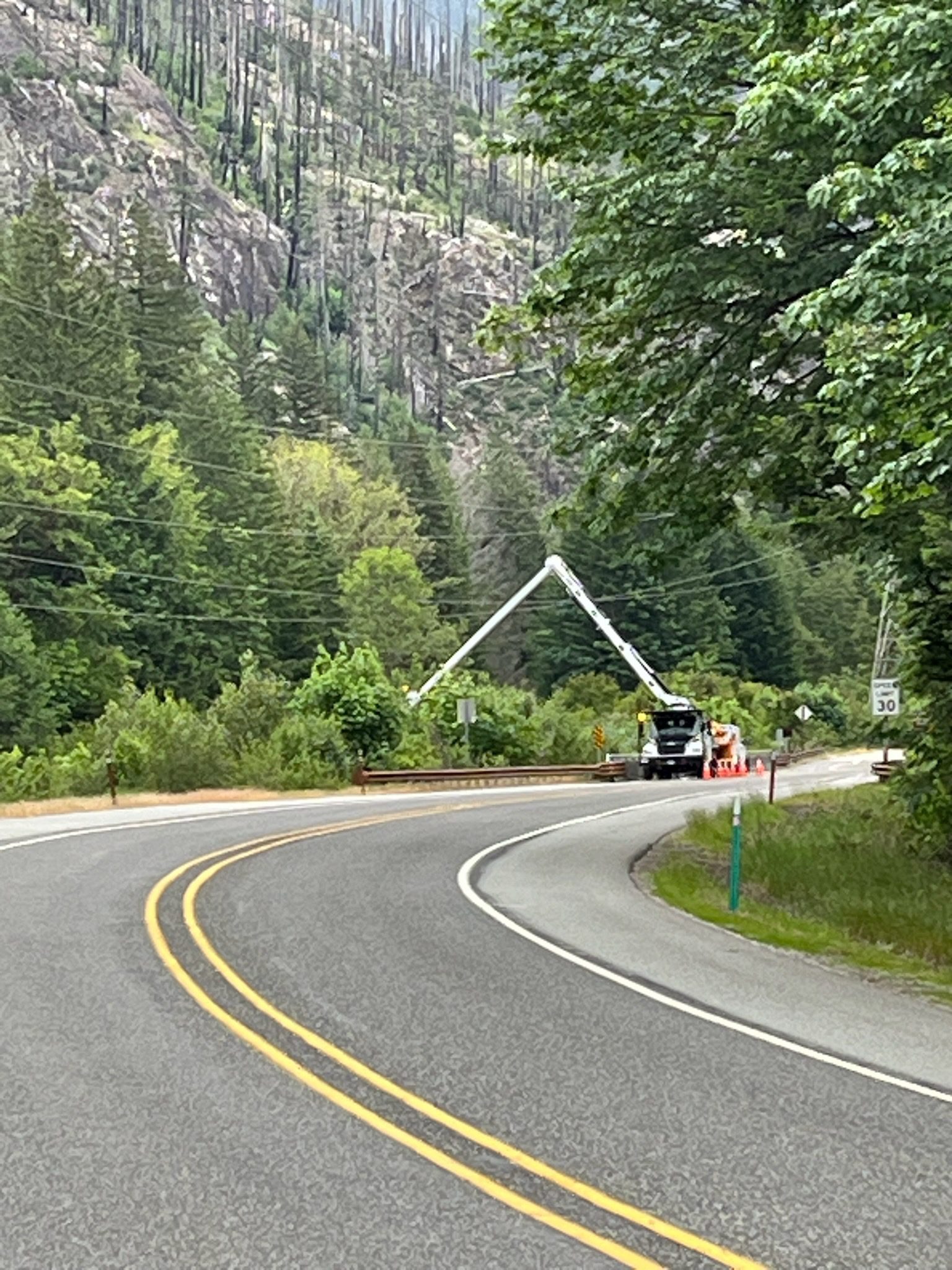
After the power leaves our generating facilities, it travels across the state of Washington along high-voltage transmission lines. The vegetation under those transmission lines, from grassy meadows to trees, has to be maintained to safely deliver energy to our service area.
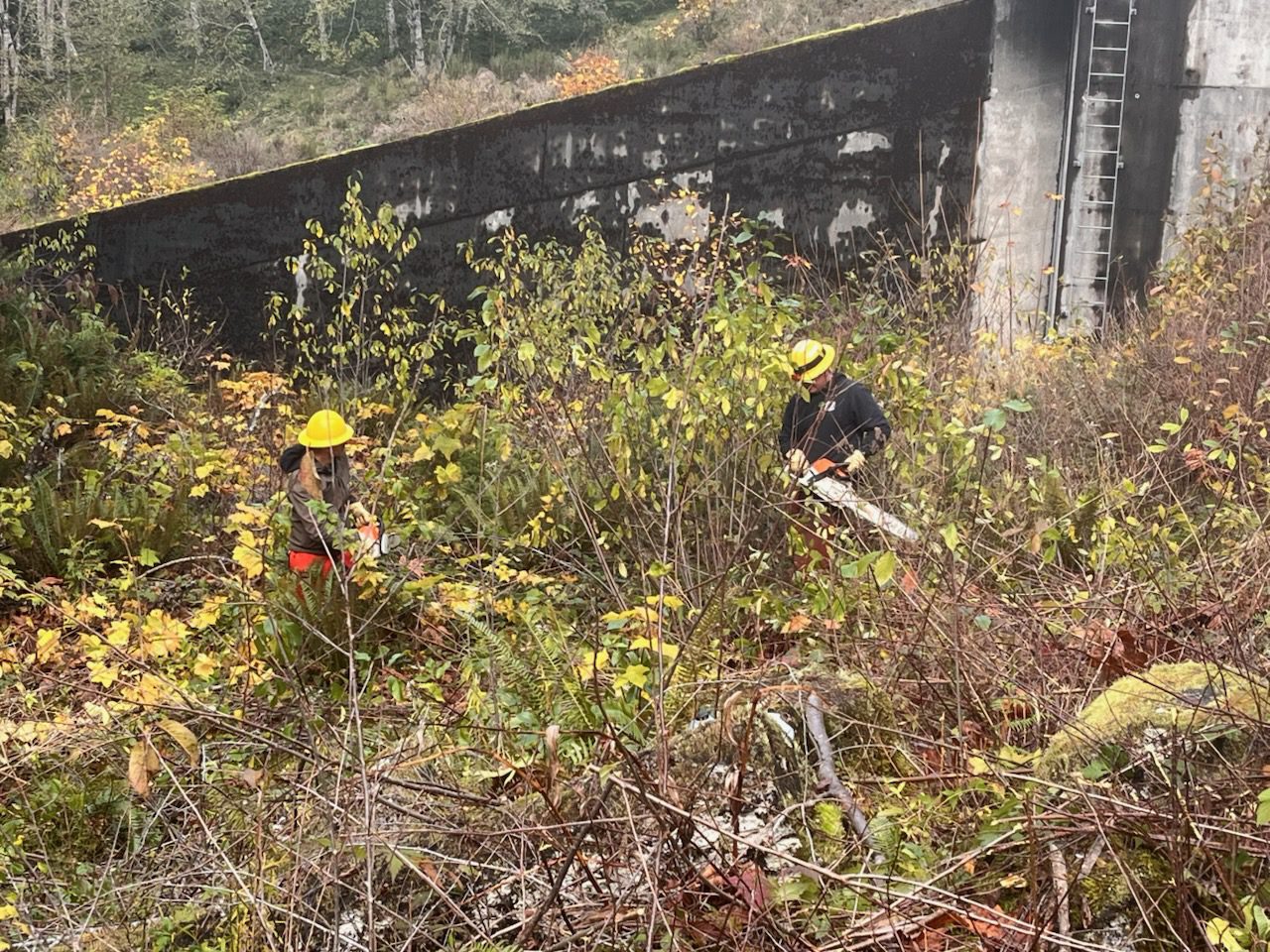
Our right of way and powerline clearance crews monitor trees and brush near these high voltage lines and remove vegetation as needed. They perform required clearing each year in compliance with federal electric and environmental rules. This work helps reduce the chance of power interruptions, wildfires, and safety hazards.
They even use technology and 3D modeling to spot risks from vegetation. This is especially helpful when monitoring lines that are hard to get to on foot. Near our Boundary Dam, for example, crews recently used 3D modeling to locate overgrown vegetation. Once identified, we hired crews to repel down the rock face outside the dam and clear the vegetation from the lines.
Distribution Technology Helps Isolate Power Outages
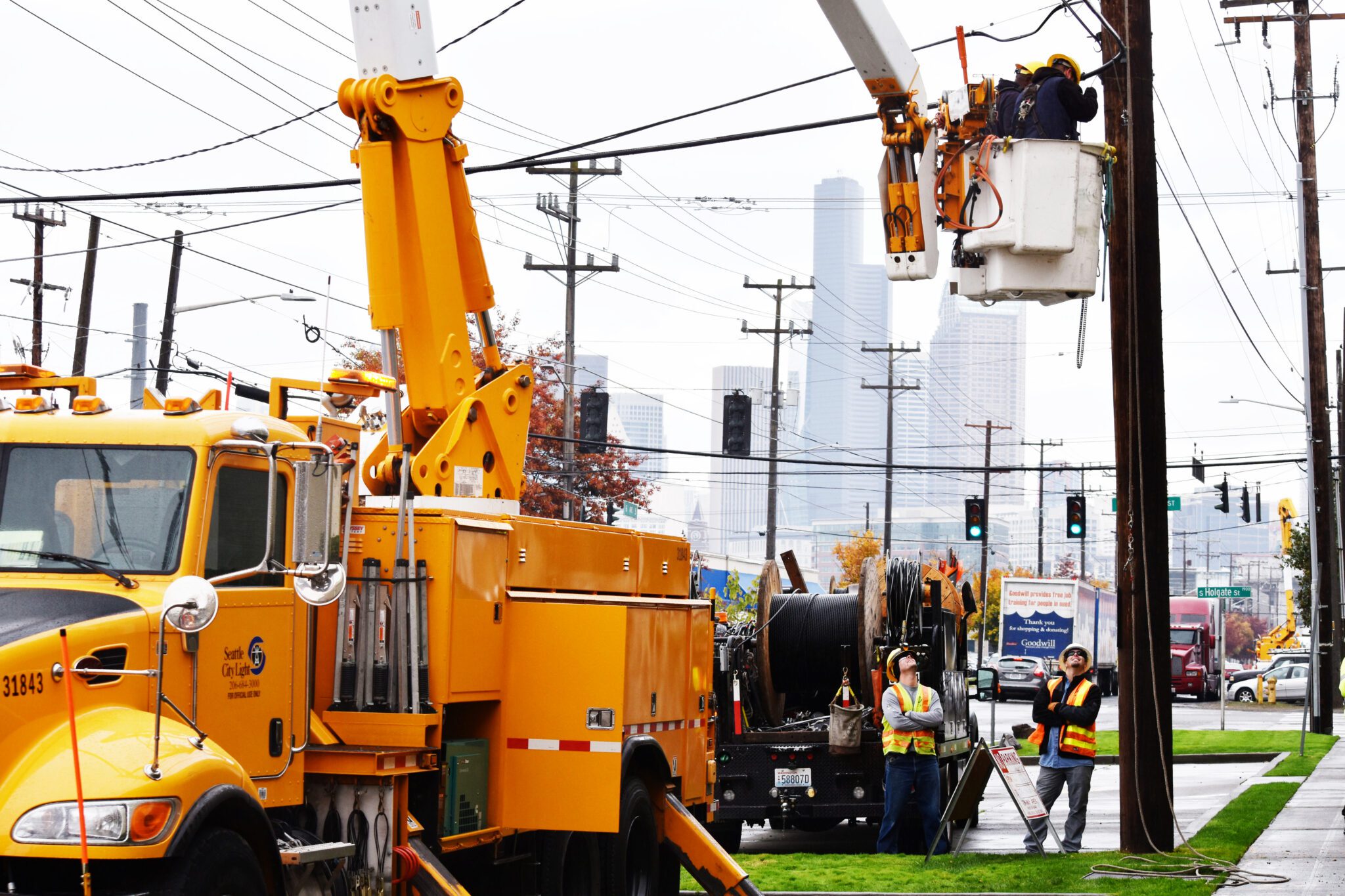
The reliability metric most folks are familiar with is unplanned power outages. It makes sense: A reliable system will have fewer and shorter outages compared to an unreliable one. While we can’t predict when unplanned outages will happen, we can prepare for them.
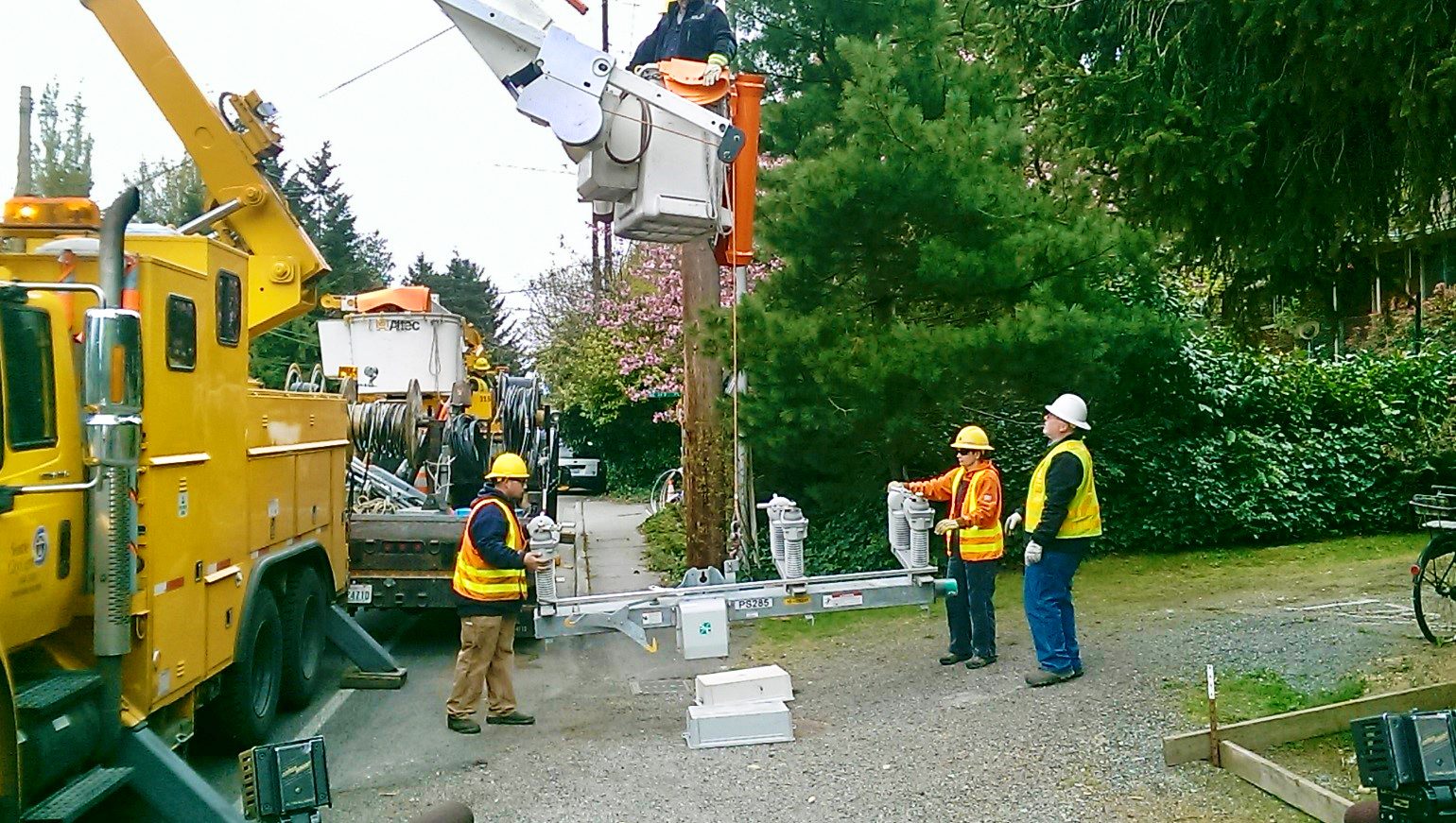
One way we’re preparing is by installing smart switches on the power lines across our service area. These devices help isolate the failed equipment and restore power to the unaffected areas within minutes. You can think of this like a string of decorative lights. When one bulb goes out, only that bulb is out while the rest of the string continues to shine.
In 2015, we started adding smart switches to our distribution lines in places with higher risks to outages. This includes areas with heavy tree cover like Lake Forest Park and areas where power is essential for life-saving organizations like Seattle Children’s. To date, we’ve installed about 80 switches across our distribution system. These efforts combined help improve our service reliability and deliver the power you need every day.